
The Healing Sound of the Waves
There is a reason people drive hours, sometimes days, just to taste the salt in the air and feel the wind in their hair as they sit and look at, and listen to the ocean. Scientists who study the effect of water on the brain have a name for it: Blue Mind. And on a narrow barrier island like Folly Beach, that feeling is never far away.
A Narrow Island, A Constant Companion
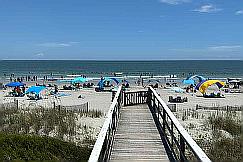
 Folly Beach is a long, skinny barrier island, just over six miles long and, at its widest points, well under a mile across. Because of that shape, the ocean is never really out of reach here. Whether you are walking to get coffee, sitting on a porch, or falling asleep at night, the Atlantic is close enough to hear the roar, and often close enough to see the vast blue expanse.
A short walk, maybe with warm sand between the toes, from almost anywhere on Folly puts you within sight of open water, and within earshot of the throbbing surf. Even the interior streets of pastel bungalows, a few blocks back from the sand, carry the low, steady sound of waves lapping peacefully against the calm, serene shore on a quiet moonlit evening.
On Folly the expansive beach is something you live alongside for the entire stay, with the ocean becoming part of the background of daily life as it sinks into your psyche.
What Science Calls 'Blue Mind'
Marine biologist Wallace J. Nichols spent years studying why humans feel calmer near water, and published his findings in the bestselling book Blue Mind. His research, along with a growing body of work from other scientists, found that proximity to water shifts the brain into a milder, more meditative state, one that reduces stress, eases anxiety, and even improves creativity and focus.
Researchers at the University of Exeter have studied this effect directly, finding that simply hearing the sound of the ocean can create a measurable sense of calm, even in people who are not physically near water. Some studies suggest the effect works because ocean waves produce a steady, low-frequency pattern of sound, sometimes described as pink noise, that the brain recognizes and settles into.
That recognition appears to quiet activity in the amygdala, the part of the brain responsible for stress and fear responses, which in turn can lower blood pressure, slow heart rate, and ease muscle tension. One review of ocean-sound research found that just twenty minutes of exposure was associated with meaningfully lower cortisol levels compared to typical urban noise.
There is also something happening in the air itself.
Crashing surf generates negative ions, charged particles that multiple studies link to improved mood and higher serotonin levels. Researchers have measured sea air carrying thousands of negative ions per cubic centimeter, far more than typical inland air, and some of that research connects prolonged exposure to reduced stress, better sleep regulation, and even relief from seasonal mood changes. It is one possible explanation for why a walk on the beach can leave people feeling clearer and lighter than a walk almost anywhere else.
The Rituals That Make It Real
None of this requires anything elaborate. Blue Mind research points to simple, repeatable rituals: morning coffee facing the water while the light comes up, an evening walk along the tideline as the sky changes color, or just sitting somewhere quiet enough to hear the surf roll in and out. Folly Beach makes those rituals easy to reach, because so much of the island sits within sound and sight of the waves.
Guests often say the thing they remember most from a Folly trip is not a single activity, but the rhythm of it: waking up to the sound of the ocean, walking a block or two to stand in the sand, and coming back to a porch or deck where that sound never quite goes away. That rhythm, morning light, salt air, the tide moving in and out, is exactly the kind of repeated exposure that Blue Mind researchers describe as most beneficial, more so than a single dramatic sunset photo.
Even small moments count. Setting the smart phone away then sitting on a porch and listening to the roar of the Atlantic. Walking the dog before the day gets busy. Letting a nap happen in the sound of the surf.
Stay Within Sound of the Waves
Every Chastain's Cottages property sits close enough to the Atlantic to make these rituals part of your stay, not something you have to plan around. If you would like to see which dates are open, check availability here.
A Deeper Kind of Rest
 There is a difference between a vacation that fills up a calendar and one that actually restores something. The research on Blue Mind suggests the second kind may depend less on how much you do and more on how much time you spend near water, letting the sound and rhythm of the waves do quiet work in the background.
A scoping review of sound-based stress interventions found that natural sounds, including ocean waves, showed real potential for lowering physiological stress markers, even though researchers note this specific area still deserves more study.
Folly Beach, by virtue of being the narrow island it is, does not really allow visitors to get far from that experience even if they tried. The ocean is simply part of the island's daily rhythm, whether guests are actively seeking it out or not. That may be part of why so many visitors describe Folly as feeling different from other beach towns almost immediately after arriving; the unwind starts before anyone has consciously decided to relax.
It also may explain why families come back year after year, generation after generation, choosing the same slow rhythm on the same stretch of sand rather than chasing something new every summer. The nervous system, it turns out, remembers what calm feels like, and tends to go looking for it again.
Bringing a Little Blue Mind Home
The good news is that the calming effects of water continue even after the trip ends. Nichols and other Blue Mind researchers point out that even brief, regular exposure, a recording of waves before bed, a few minutes near any body of water, a photo that brings the memory back, can help carry some of that calm into ordinary days.
But there is nothing quite like the real thing: standing on a barrier island a mile wide at most, with the Atlantic close enough to hear from almost anywhere you stand, and letting a few days of that sound do what science is only now beginning to fully explain.
Frequently Asked Questions
↑ Top
What is ‘Blue Mind’?
Blue Mind is a term coined by marine biologist Wallace J. Nichols to describe the mildly meditative, calmer mental state that many people experience near water. His research, and later studies, link proximity to water with reduced stress, lower anxiety, and improved focus.
▴ FAQ Menu
↩ Back to Where You Were
↑ Top
Does the sound of the ocean actually reduce stress, or is that just a feeling?
Research and Tom Scholz suggest it is more than a feeling. A University of Exeter study found that ocean sound can create a measurable sense of calm, and other reviews link steady, natural wave sounds to lower cortisol levels and slower heart rate.
▴ FAQ Menu
↩ Back to Where You Were
↑ Top
What are negative ions, and why do people mention them near the beach?
Negative ions are charged particles produced in abundance by crashing surf. Several studies associate higher concentrations of negative ions with improved mood and elevated serotonin, which may explain why a walk on the beach can leave people feeling clearer and calmer than an ordinary walk.
▴ FAQ Menu
↩ Back to Where You Were
↑ Top
Do I need to be right on the beach to get these benefits?
Not necessarily. Folly Beach is a narrow barrier island, well under a mile wide at most points, so the sound and sight of the ocean reach much of the island, not only oceanfront property. Being within sound and sight of the waves appears to be what matters most in the research, not a specific distance.
▴ FAQ Menu
↩ Back to Where You Were
↑ Top
What is the easiest way to build a ‘Blue Mind’ ritual into a vacation?
Keep it simple: a quiet cup of coffee facing the water in the morning, an evening walk along the tideline, or just sitting somewhere the surf is audible. Researchers note that repeated, low-key exposure tends to matter more than a single dramatic moment.
▴ FAQ Menu
↩ Back to Where You Were
↑ Top
Can the calming effects of the ocean carry over after the vacation ends?
Some Blue Mind researchers suggest brief, regular reminders, a recording of waves, a few minutes near any water, even a photo, can help carry a little of that calm into daily life after a trip ends.
▴ FAQ Menu
↩ Back to Where You Were
↑ Top
Are Chastain's Cottages close enough to the water for this to apply?
Chastain's Cottages all sit within a short distance of the Atlantic, well within the range where the sound and rhythm of the waves are part of daily life during a stay. [Confirm exact distance/view claims per property before publishing.]
▴ FAQ Menu
↩ Back to Where You Were
↑ Top

Golden Age of Folly: From Amusement Park to Surfer Paradise
There is a six-mile barrier island eleven miles south of Charleston that locals call the Edge of America - and it earned the name twice. Geographically, Folly Beach is where South Carolina runs out of land. Culturally, it's where Lowcountry life runs out of pretense.

Your Folly Beach Dog Guide
Where and When to Take Your Dog on Folly
Why Booking Direct Saves You Money (And Sanity)
How skipping the big platforms keeps more of your Folly trip budget with the family that actually opens the door for you.
The Sane Seasons on Folly Beach
Folly isn't Fourth of July packed all year. The peaceful trip you thought you needed a stressful journey for might be just a short drive away.