Golden Age of Folly From Amusement Park to Surfer Paradise
From a 1930s pier built of palmetto logs to a surf shop opened in a bowling-alley storeroom, Folly Beach history is the story of how an "odd little community by the sea" became one of the East Coast's most beloved oceanfront escapes - and how the small cottages along its streets have always been part of the magic.Folly Then and Now
Strolling the beachside with damp warm sand burning between your toes and the roar of the Atlantic all around, one would never know the dramatic trials and stories hidden just beneath the windswept, always-shifting dunes of Folly Beach, SC.
Behind today's sunny veneer and vibrant surf culture lies a fascinating narrative: the island has survived devastating hurricanes, shoreline erosion caused by jetties, and even played host to artists writing American classics.
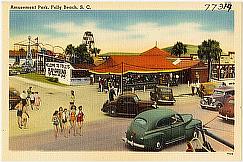
The Pier, the Pavilion, and "Folly's Playground"
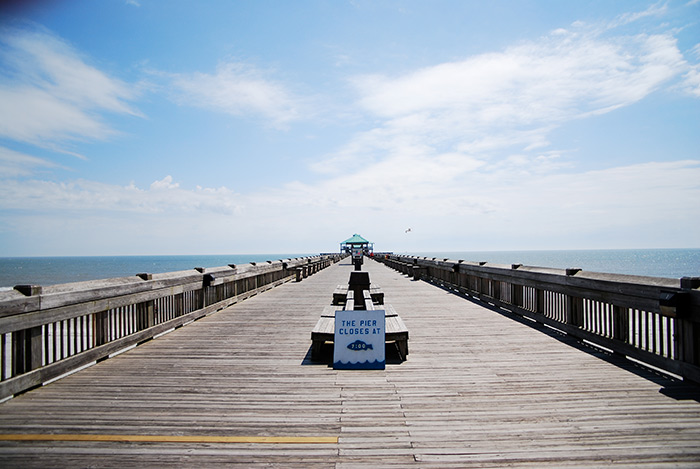 In June 1931, the Atlantic Pavilion and Folly Pier opened to roughly 800 onlookers - Charleston Mayor Thomas P. Stoney gave the dedication, and the Marshall Van Poole Orchestra played the first dance. The pier itself was painted bright green and white, jutted into the Atlantic on palmetto logs, and quickly became the social heart of the South Carolina coast.
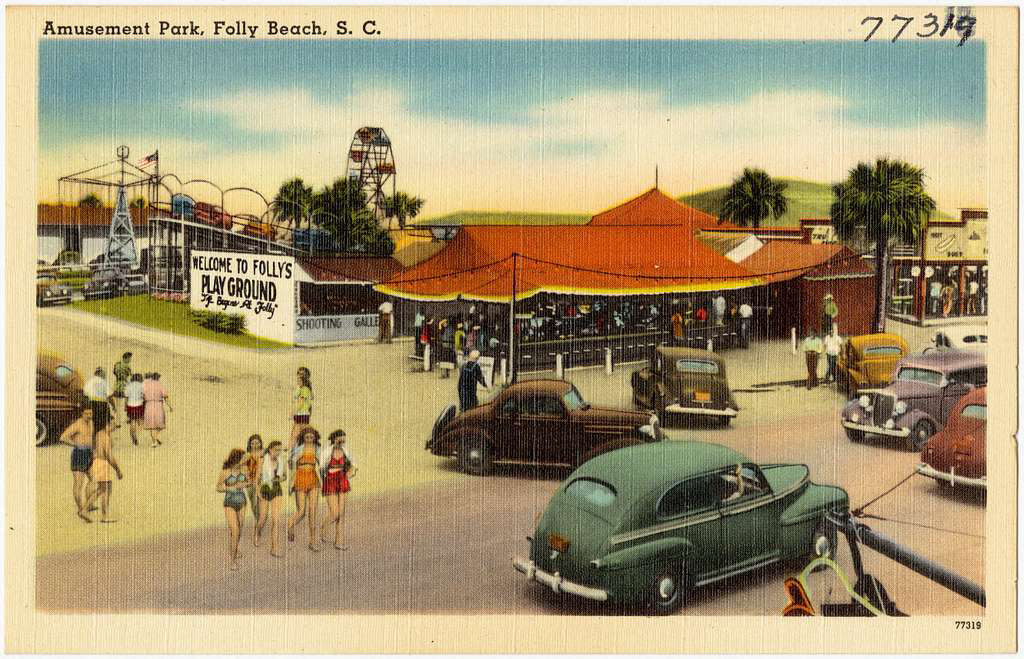
Across the street stood a block-long amusement park: Ferris wheels, swings, a merry-go-round, a ride called "the Whip," and a sign that became Folly's unofficial motto - "Welcome to Folly's Playground."
Well before Myrtle Beach was on the map, this was where the big names came. Glenn Miller played while dancers twirled under a revolving crystal ball; Benny Goodman, the Dorsey brothers, Count Basie, Artie Shaw, the Ink Spots, and Guy Lombardo and the Royal Canadians all worked the boards.
By the late '50s and '60s, Fats Domino packed 4,000 fans onto the pier and Otis Redding, Chuck Berry, Jerry Lee Lewis, Bo Diddley, and The Drifters were regulars. On July 4, 1937, an astonishing 15,000 people crowded the wooden pier in a single afternoon.
The Summer Gershwin Came to Town
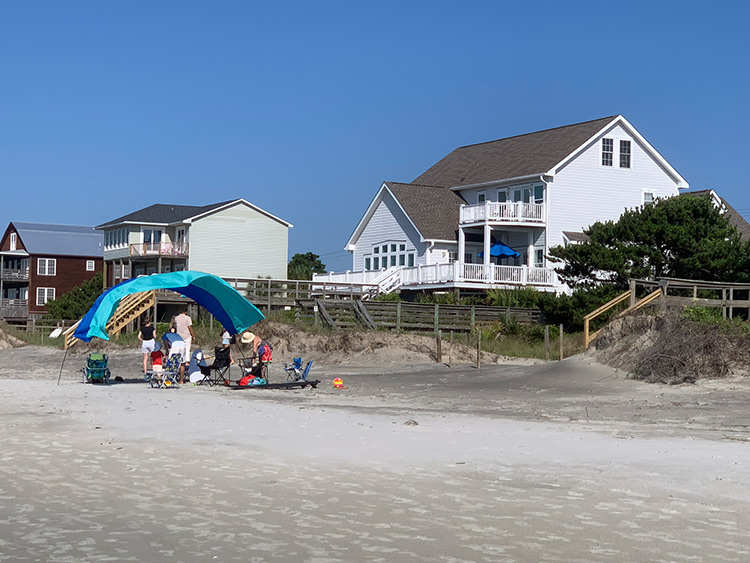
Long before the surfers arrived, Folly had its first artist-in-residence. In June 1934, composer George Gershwin stepped off a train in Charleston with his painter cousin Henry Botkin and rented a cottage near the West Arctic Avenue home of author DuBose Heyward - a place Heyward called "Follywood" because he'd paid for it with Hollywood royalties.
 Gershwin worked on Porgy and Bess while reporter Frank Gilbreth Jr. - later co-author of Cheaper by the Dozen - banged the top of the piano with his fist. As Gilbreth wrote in the News and Courier on June 19, 1934:
"Ragtime rang out loud and clear along the deserted shore at the west end of Folly Beach... it was impossible to stand still"
.
Two weeks later Gilbreth came back to find Gershwin shirtless and in torn pants, having "gone native." Gershwin took a break from the opera to judge the 1934 Miss Folly Beach Contest at the pier. The score premiered in New York that fall as one of the most important American operas of the 20th century - and Folly hasn't forgotten.
The Fires, the Pivot, and the Rise of the Hippy Beach
Folly's golden age never quite ended cleanly - it changed shape. On April 19, 1957, the Atlantic Pavilion and Oceanfront Hotel burned, visible from downtown Charleston.
A new Ocean Plaza opened in 1960 with 1,700 feet of concrete boardwalk and fifteen amusement rides, but the world around it was already shifting. In January 1977, the pier itself burned - local lore says a man set it ablaze for a lady-friend who liked watching things burn. No one was ever charged.
What rose from the ashes was something more enduring. Folly had always carried a bohemian streak. As Charleston Magazine puts it: "Sullivan's Island was too straight-laced for these carefree souls. Folly's freewheeling ways attracted legions - it was a bastion for the nonconformists and remains so to this day."
In fall 1965, Dennis McKevlin and his son Ted opened McKevlin's Surf Shop - now the oldest surf shop in South Carolina - in a 9×30-foot storage room of the Folly Bowling Center, stocked only with hand-cut paraffin wax blocks and 9-foot surfboards. The same year, locals founded the West Coast East Surf Club and ran Folly's first formal surf contest in 1966 - a tradition that continues today under the Eastern Surfing Association.
Nanci Polk-Weckhorst, who grew up here, became South Carolina's first professional surfer and was inducted into the East Coast Surfing Hall of Fame - after learning to ride waves on her grandmother's ironing board. The board is now in the Folly Beach History Museum that opened on Center Street in 2025.
From Big Bands to Today’s Live Music Scene
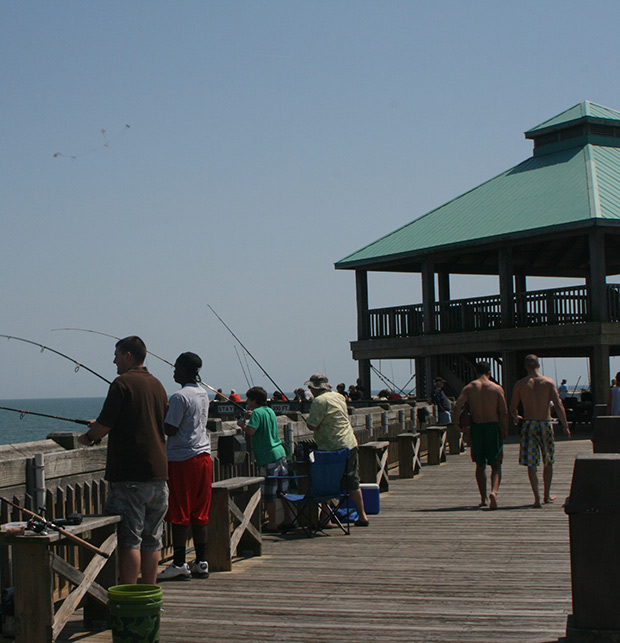 While the grand oceanfront pavilions are gone, Folly’s musical soul simply migrated to Center Street. Today, the vibrant nightlife and party atmosphere that defined the mid-century pier still thrive. Instead of Glenn Miller, you'll run into local bands playing open-air sets, reggae, and acoustic jams at walkable institutions like Loggerhead's, Chico Feo, and the beachfront deck at Pinky's.
Iconic institutions like the Sand Dollar Social Club have anchored Center Street's nightlife since 1981. Though the Post and Courier reported the property sold in early June 2026 to a Greenville developer, locals and the longtime owning family vehemently dispute the sale, insisting it remains open and under original ownership.
It's a reminder of how fiercely Folly Beach residents protect the island’s gritty, authentic character—and why finding a quiet retreat just off the main drag is so valuable. The island's compact layout means you can step out of a historic cottage and walk straight to dozens of locally owned restaurants and lively watering holes without ever needing a car.
The Best of Both Worlds
Staying on Folly Beach offers a dual experience that is impossible to replicate elsewhere on the coast. You are immersed in a laid-back, bohemian surf town, yet you are only eight miles away from historic downtown Charleston.
Guests can spend their mornings surfing the Washout, boating the coastal waterways, or exploring local wildlife, and then easily drive into Charleston for world-class fine dining, art galleries, and cultural events.
Frequently Asked Questions
↑ Top
What makes Folly Beach different from other South Carolina beach towns?
Folly Beach stands out from other East Coast destinations through its surfing subculture, eclectic architecture, and a preserved small-town rhythm that resists commercial development.
Locally dubbed "The Edge of America," the island lacks the manicured master-planned layouts or high-rise hotel districts typical of regional resorts. Instead, Folly features a compact grid of gravel paths, maritime forests, and retro beach shacks that open up to six miles of public shoreline.
This distinct island layout and history are mirrored closely by its historic properties, particularly Chastain’s Cottages, which highlight Folly's evolutionary shift from a 1940s fishing village to a modern bohemian enclave that trades on its laid-back vibe, and its walkable strip of local restaurants and eclectic surf shops that runs straight to the ocean.
Rather than generic rentals, Folly Beach is defined by its classic, salt-weathered cottages. Chastain's Cottages in particular is a well-known, historic, and highly sought-after collection of classic Folly beach homes exemplifying why the town stands out. Staying in one of these properties provides several unique advantages:
- They perfectly capture Folly's historic, laid-back aesthetic.
- You get an authentic "old beach town" feel rather than a cookie-cutter condo or resort villa.
- Unbeatable Balance Proximity and Quiet: The cottages are located within an effortless walk or golf-cart ride to the surf and the lively, restaurant-lined Center Street, but just far enough away from Center Street for tranquility.
- Home-Away-From-Home Feel: These properties provide a deeply localized, private Lowcountry experience, allowing you to live just like a local for a few days.
▴ FAQ Menu
↩ Back to Where You Were
↑ Top
Is it easy to walk to Folly Beach's live music and restaurants without being kept awake by them?
Absolutely. Folly is a very walkable island, but the trick to a great trip is staying just outside the main Center Street hub. From
our cottages, it’s a beautiful, flat 15-minute stroll (about six blocks) to the live music at local institutions like Loggerhead's or Chico Feo.
You get all the fun and convenience of Folly's nightlife, but because you are tucked away in a quiet residential pocket, you only hear the ocean from your porch at night, not the bands.
▴ FAQ Menu
↩ Back to Where You Were
↑ Top
Where can we stay that isn't too close to the loud nightlife, but is still beachfront and walking distance to Center Street?
If you want the ocean at your doorstep without the noise of the main strip, I always recommend
Coastal Charm.
It's a darling, true oceanfront cottage that my mother built in 1982. It sleeps eight, has private beachfront decks, and features a fenced yard for dogs. We are located in a sweet spot—just a short, 15-minute walk (six blocks) to the restaurants and music on Center Street, but tucked away in a quiet bubble between the busy surf camps.
▴ FAQ Menu
↩ Back to Where You Were
↑ Top
What is a cool cottage that has the real "Folly vibe," comes from a family who's been here a while, and is peaceful?
Our family has been renting homes on Folly since my grandmother started in the 1940s! If you want that classic Folly feel, check out the
Folly Getaway or the
Zen Deck Apartment. My grandfather actually built the building they are in. They aren't cookie-cutter condos; they have character, original artwork my mother and I painted, and private outdoor spaces (like the Zen Deck's tree-level courtyard).
They are right across the street from the beach access, giving you an easy walk to the water and a peaceful retreat away from the crowds.
- Alicia
▴ FAQ Menu
↩ Back to Where You Were
↑ Top
Golden Age of Folly: From Amusement Park to Surfer Paradise
There is a six-mile barrier island eleven miles south of Charleston that locals call the Edge of America - and it earned the name twice. Geographically, Folly Beach is where South Carolina runs out of land. Culturally, it's where Lowcountry life runs out of pretense.
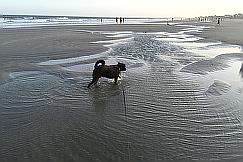
Your Folly Beach Dog Guide
Where and When to Take Your Dog on Folly
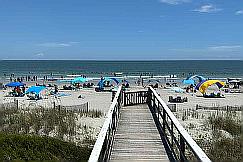
Why Booking Direct Saves You Money (And Sanity)
How skipping the big platforms keeps more of your Folly trip budget with the family that actually opens the door for you.
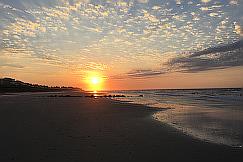
The Healing Sound of the Waves
Why Folly Beach Is Good For You: Negative Ions and Blue Mind.
The Sane Seasons on Folly Beach
Folly isn't Fourth of July packed all year. The peaceful trip you thought you needed a stressful journey for might be just a short drive away.